




FREDERIK FLACH
PARTNER AT LIMUNT.COM
Musician, booker and event organiser with 20 years’ experience.
25 September 2026

A well-thought-out order of speeches at a wedding can make all the difference between a memorable celebration and a chaotic one. When guests gather to celebrate love, it is often the speeches that set the mood and stir the emotions. But what many people underestimate is the importance of the order and timing. A good order of speeches ensures that each speech receives the attention it deserves and that the atmosphere remains lively throughout the evening. Combine this with live music, and you can create a dynamic and engaging celebration where no one gets bored, and where there’s room for both laughter and tears.



FREDERIK FLACH
PARTNER AT LIMUNT.COM
Musician, booker and event organiser with 20 years’ experience.
25 September 2026
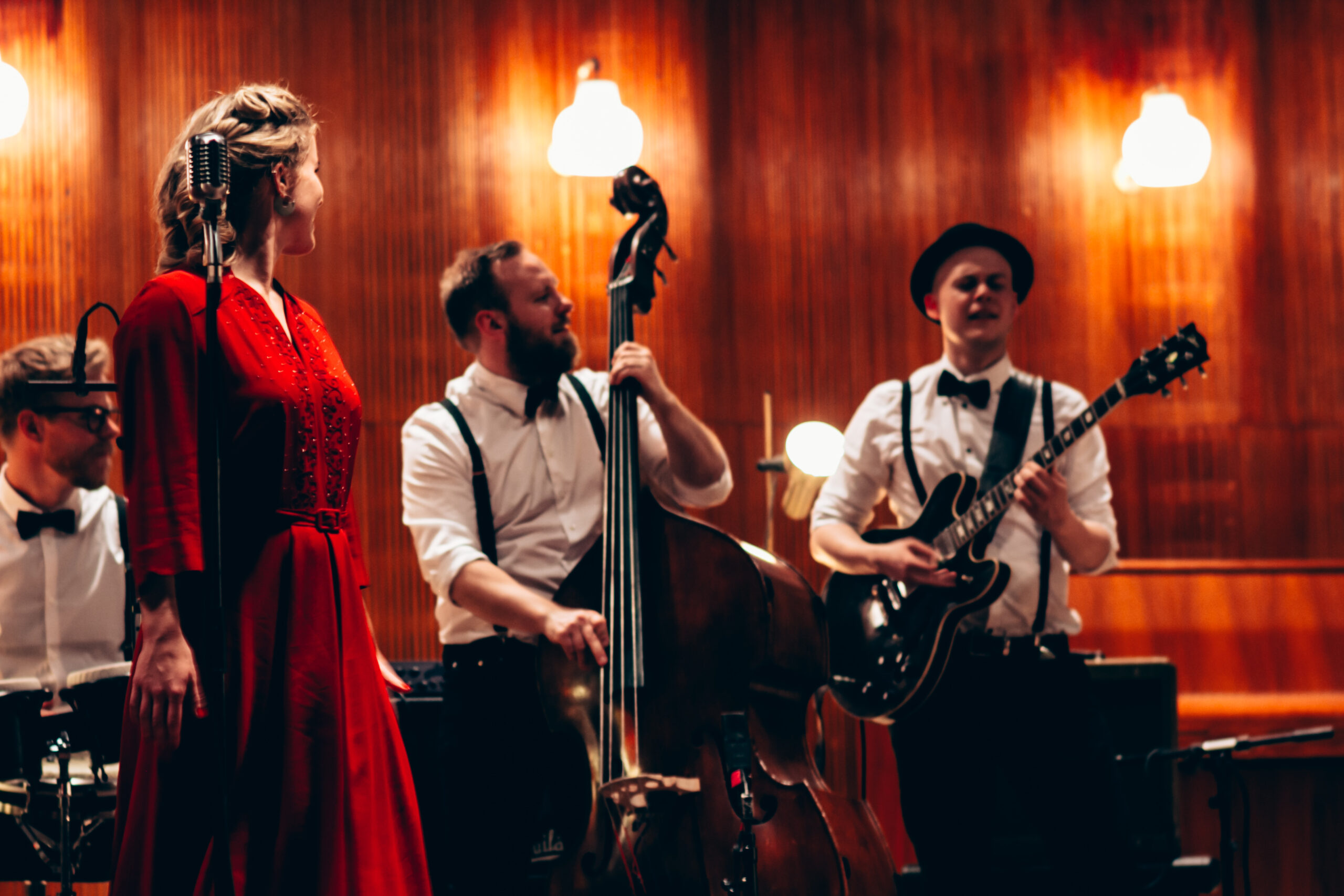
Why is the order of speeches at a wedding so important?
It is not just tradition that dictates who should speak and when. Practical considerations such as the serving of food, the guests’ energy levels and the balance between emotional and light-hearted moments also play a part. That’s why it’s important to draw up a plan that takes into account both the traditional expectations and the unique aspects of your particular wedding, especially if you wish to incorporate live music to lift the atmosphere between speeches.
The traditional order of speeches at a wedding – and how you can adapt it
Traditionally, the order of speeches at a wedding follows a specific sequence: first the host (often the bride’s father) speaks, followed by the groom, the bride (if she so wishes), the best man, and then other close family members and friends. This order has worked well for generations because it creates a natural progression from the formal to the more personal and light-hearted. But that doesn’t mean you can’t adapt it to suit your own celebration.
If you wish to break with tradition, it might be worth considering who has something special to say, or who has a natural talent for entertaining. It can also be beneficial to schedule more emotional speeches earlier in the evening, whilst the atmosphere is still lively and the guests are attentive. That way, you avoid important messages being lost amidst the later, more boisterous atmosphere of the party.
Another option is to incorporate musical interludes between the speeches. Live music can help set the mood, giving guests time to take in what has been said and prepare for the next part of the programme. This could be anything from a quiet piano ballad to a cheerful sing-along, depending on the atmosphere you wish to create. Read more about how you can tailor your wedding reception with live music at Limunt.

How to incorporate live music into the programme
Live music at a wedding isn’t just for dancing later in the evening. On the contrary, music can be used strategically to tie the speeches together and liven up the party. Consider, for example, having a band or a soloist play a short, atmospheric tune between speeches. This can both give the speakers a breather and help the guests take in all the impressions.
A specific example might be to have a guitarist play a romantic song after the groom’s speech, or for the whole party to sing along to a well-known tune before the best man takes the stage. Music can also be used to mark transitions, for example from dinner to dancing, or to emphasise particularly moving moments. If you have a theme for the wedding, the music can be tailored to match the mood and create a common thread running through the whole evening.
It is important to coordinate with both the toastmaster and the musicians so that everyone knows when they are due to perform. A good toastmaster is the key to a successful evening, where speeches and music come together seamlessly. If you’re looking for inspiration on how to make your wedding speech even more personal and memorable, you can find some useful advice at Limunt.
Practical tips for planning the order of speeches and music – whilst keeping the budget in mind
For many couples, the budget is a key factor when planning their wedding reception. Fortunately, a good programme of entertainment featuring live music doesn’t have to break the bank. Consider, for example, choosing local musicians or opting for smaller ensembles such as a duo or trio instead of a large band. This can create an intimate atmosphere whilst keeping costs down. If you have friends or family with musical talent, you could also ask them to perform – this adds a personal touch and saves money.
Another way to optimise your budget is to prioritise when during the evening the live music should play. Many people choose to have live music during dinner and for the main speeches, whilst the rest of the evening can be covered by a playlist. That way, you get the best of both worlds without having to pay for music all night long. Also remember that music and speeches mustn’t overlap – it’s important that each part is given its own space, so that no one feels disturbed or overlooked.
To make everything clearer, it is advisable to draw up a detailed programme that includes speeches, music and serving times. Share the programme with the toastmaster, the kitchen staff and the musicians, so that everyone knows what is due to happen and when. That way, you’ll avoid stress and misunderstandings on the day itself.
If you’re looking for inspiration to find the perfect wedding venue that’s suitable for both speeches and live music, you can find out more at Limunt. For Norwegian readers, there is also some useful advice on wedding venues.
How to get everyone involved – engage your guests and create an unforgettable experience
A successful order of speeches at a wedding is not just about following tradition, but also about creating an experience where everyone feels involved. Consider actively involving the guests, for example by encouraging a sing-along, organising short musical quizzes or letting guests contribute with short, spontaneous performances. This can help to lighten the atmosphere and make the celebration more personal.
If there are a lot of people who want to give a speech, it may be a good idea to limit speaking time or to group several short speeches into a single segment. That way, you’ll avoid the evening dragging on and guests losing interest. Music can be used as a unifying thread that brings the party together and provides energy when needed.
Remember that not all speeches need to be long or formal. A funny anecdote, a musical interlude or a group cheer can be just as memorable as the big, emotional speeches. The most important thing is that the order of the speeches suits you as a couple and the atmosphere you want to create at your wedding.
If you’d like to read more about how to make your wedding reception unique with both speeches and music, you can find inspiration and specific examples at Wedding.dk, which also offers useful advice on everything from the role of the toastmaster to the choice of music and entertainment.
Conclusion: Make your wedding unforgettable with the right order of speeches and live music
A well-planned order of speeches for your wedding and carefully chosen live music can transform your wedding into an experience that both you and your guests will remember forever. Whether you have a large or small budget, it’s possible to create a common theme running through the celebration, where both speeches and music have the chance to shine. Remember to plan well in advance, involve the toastmaster and musicians, and don’t be afraid to think creatively – it’s often the personal touches that make the celebration truly unique.
Would you like help planning the order of speeches, a wedding speech or finding the right musicians for your big day? Then please contact us via Limunt …and get personalised advice and inspiration to make your wedding unforgettable!